Spend enough time reading product reviews today, and something starts to feel… repetitive.
Different websites. Different authors. Different products.
But somehow, the structure, tone, and conclusions begin to blur together.
This isn't a coincidence.
It's the result of how modern content is produced, optimized, and scaled.
But more importantly, it has real implications for readers—and how much they can actually believe what they're reading.
The Rise of Standardized Review Frameworks
Over the past few years, review content has become increasingly structured.
A typical article now follows a familiar pattern:
Introduction
Key features
Pros and cons
Performance analysis
Final verdict
On the surface, this is helpful. It makes content easier to scan and compare.
But it also creates a problem:
When structure becomes standardized, differentiation becomes harder.
Two reviews can look different—but feel identical.
Efficiency vs Authenticity
Why does this happen?
Because content production has become more efficient.
Teams are under pressure to:
publish consistently
covers multiple products
compete in search rankings
To achieve this, they rely on repeatable systems.
Templates. Frameworks. Content models.
These are not inherently bad. They improve consistency.
But they also reduce variation—the very thing that makes content feel human.
The Subtle Signals Readers Pick Up On
Even if readers can't articulate it, they notice patterns.
Similar phrasing across articles
Predictable conclusion
Lack of strong opinions
 Over time, this creates a sense of distance.
The content feels correct—but not personal.
Accurate—but not experienced.
The Missing Ingredient: Real Usage Context
One of the biggest gaps in modern reviews is context.
Many articles explain what a product does.
Fewer explains what it feels like to use it over time.
This distinction matters.
A feature list can tell you:
what's included
how it performs under ideal conditions
But it rarely tells you:
what becomes annoying after a week
what stops mattering after a month
what actually improves your daily experience
Observations from Comparative Analysis
In our own internal review comparisons, we analyzed multiple articles covering the same product category.
What we found was revealing:
Key points were often identical across sources
Language patterns showed high overlap
Conclusions rarely contradict each other
This doesn't necessarily mean the content is wrong.
But it does suggest that many reviews are built from similar inputs.
The Influence of Search Optimization
Search optimization plays a major role in shaping content.
To rank effectively, articles need to:
cover specific topics
include relevant keywords
match user intent
Over time, this leads to convergence.
Different creators optimize for the same signals—resulting in similar outputs.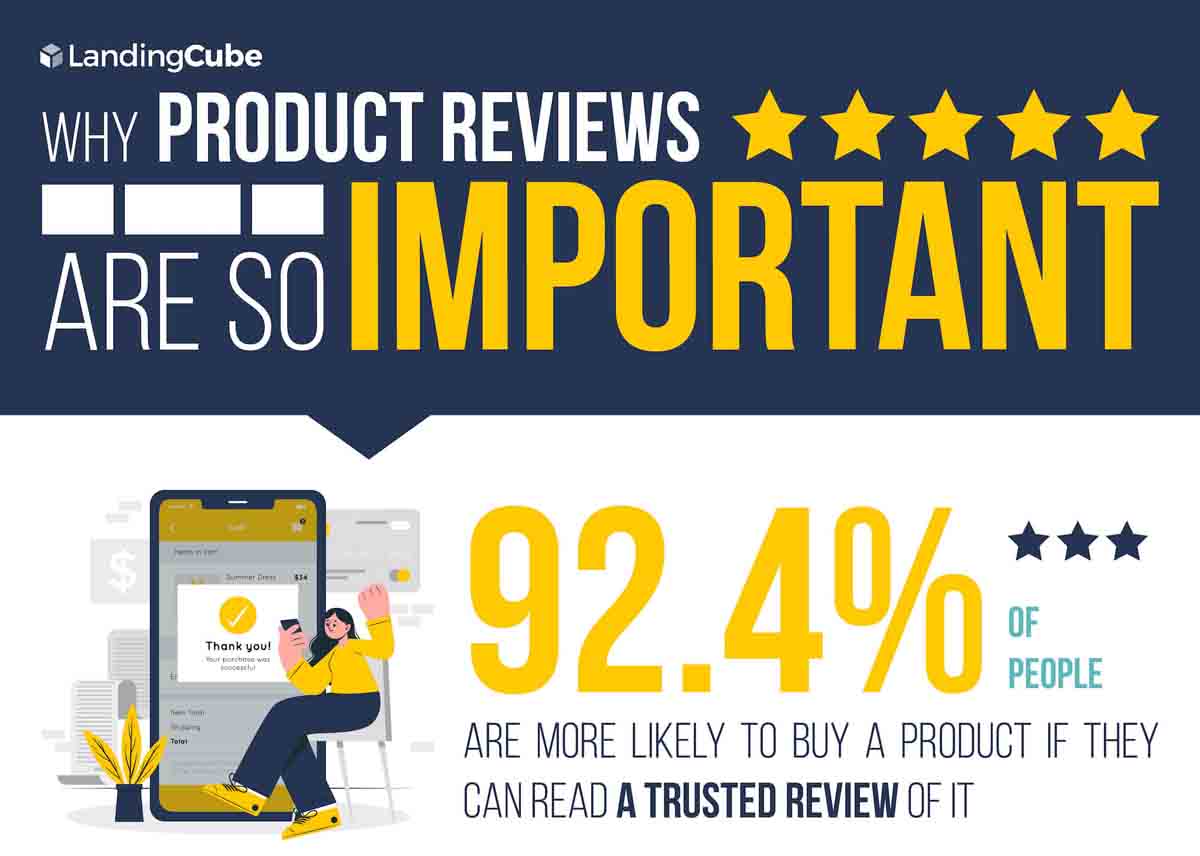 ---
---
Does This Mean Reviews Can't Be Trusted?
Not exactly.
But it does mean they should be interpreted carefully.
A review could be:
✔ factually correct
✔ well-structured
✔ informative
…and still lacks depth.
The issue isn't accurate. It's completeness.
What More Authentic Content Looks Like
Based on our analysis, more authentic reviews tend to include:
Specific, experience-based observations
Acknowledgment of limitations
Variation in structure and tone
Less reliance on rigid scoring systems
They may feel less polished—but more real.
Why This Matters More Than Ever
As content continues to scale, the ability to distinguish between:
informative content
experiential content
becomes increasingly important.
Readers are no longer just looking for answers.
They're looking for perspective.
Final Thoughts
Product reviews in 2026 are not inherently less trustworthy.
But they are more uniform.
And that uniformity can make it harder to identify what actually matters.
The best approach isn't to avoid reviews.
It's to read them critically—looking not just at what is said, but how it's said.
Because sometimes, the difference between useful and generic isn't in the information itself.
It's in the perspective behind it.